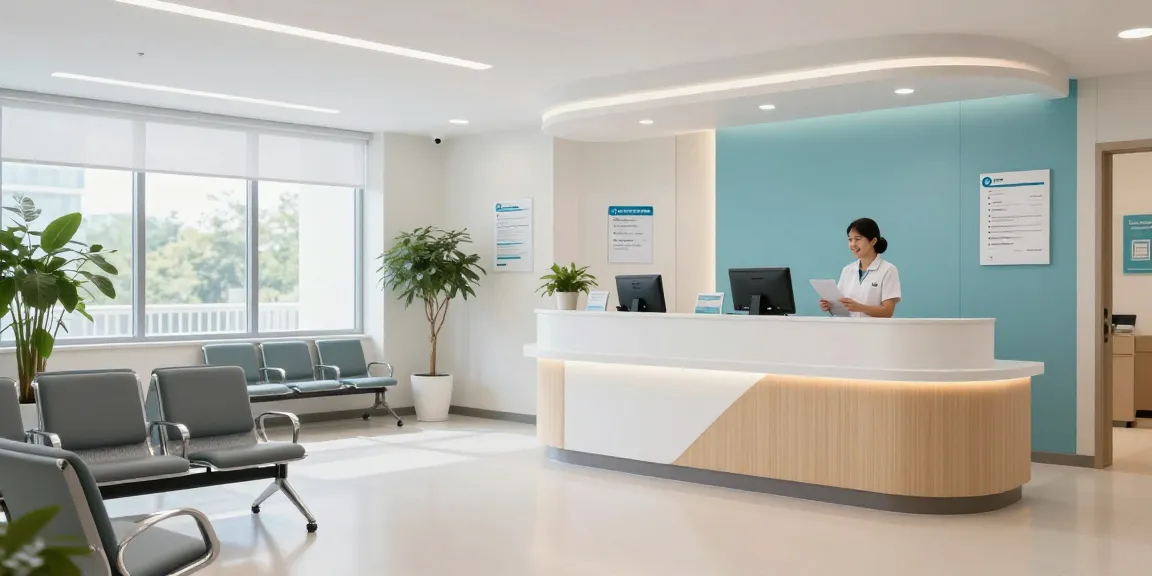
Understanding Open88’s Role in Modern Healthcare
As healthcare continues to evolve, platforms like open88 are changing how patients access medical services and information. Open88 integrates advanced technology with patient-centered care approaches to improve overall health outcomes. This article explores the significant role such platforms can play in modern healthcare, emphasizing the importance of innovative healthcare technologies and patient advocacy in enhancing health literacy and empowerment.
Innovative Healthcare Technologies
Innovative healthcare technologies are revolutionizing patient care by enhancing service delivery, diagnosis, and treatment options. These technologies range from telemedicine solutions to artificial intelligence algorithms that bolster clinical decision-making. Such advancements facilitate timely access to vital health information and enable more accurate diagnoses by leveraging data analytics.
For instance, mobile health applications allow patients to monitor their health metrics continuously and share this data with their healthcare providers. This constant flow of information equips providers to make informed decisions on treatment protocols and adjust care plans according to the patient’s evolving health status.
Patient-Centered Care Approaches
Patient-centered care prioritizes the individual’s preferences, needs, and values in the healthcare process. By focusing on person-centered methodologies, healthcare providers can ensure that care plans align with what is important to the patient, improving satisfaction and compliance. This holistic approach often leads to better health outcomes, as patients feel more engaged and empowered in their health decisions.
Moreover, incorporating patient feedback into care practices continually enhances the quality of healthcare services. Empowered patients who understand their conditions and treatment options typically demonstrate greater adherence to medical advice, leading to improved health outcomes.
The Importance of Reliable Medical Services
Reliable medical services are foundational to effective healthcare delivery. Patients need assurance that the services they receive are trustworthy, evidence-based, and of high quality. In contemporary settings, platforms like Open88 provide access to vetted healthcare providers and services that prioritize safety and efficacy. This reliability fosters trust between patients and healthcare professionals, essential for successful treatment outcomes.
Additionally, in an era where misinformation can proliferate rapidly, patients must access reliable platforms that provide vetted medical information. Reliable services include providing transparent data on provider qualifications, treatment success rates, and patient outcomes.
Navigating Telemedicine: A Step Forward
Telemedicine is one of the most significant advancements in healthcare, allowing patients to consult with professionals from the comfort of their homes. This innovative approach provides vital access to medical advice without the geographical or logistical constraints of traditional in-person visits.
Benefits of Virtual Consultations
The benefits of virtual consultations are numerous, including convenience, accessibility, and cost-effectiveness. Patients with mobility issues or those living in remote areas can easily access specialist services that might otherwise be out of reach. Virtual consultations also save time, eliminating the need for travel and reducing waiting times in healthcare facilities.
Furthermore, through virtual consults, healthcare systems can increase their capacity to handle patients, particularly during peak times or crises, such as pandemics. This flexibility can dramatically improve healthcare infrastructure efficiency, ensuring that patients receive timely care when they need it most.
Security and Compliance in Digital Health
With the rise of telemedicine, ensuring security and compliance has become more critical than ever. Healthcare providers must adhere to regulations, such as HIPAA (Health Insurance Portability and Accountability Act), that protect patient privacy. Any platform facilitating telehealth services should implement stringent measures to secure patient data from unauthorized access.
Additionally, maintaining compliance with both federal and state regulations is crucial for building patient trust. Patients must feel confident that their health information is safe and used only for legitimate medical purposes.
Accessing Specialists through Telehealth
Telehealth expands access to specialists in fields such as oncology, psychiatry, and cardiology, where patient demand often exceeds the supply of available providers. Patients can schedule video appointments or utilize asynchronous messaging platforms to discuss symptoms, receive diagnoses, and explore treatment plans without requiring a physical visit.
This model also promotes multidisciplinary collaboration, as different specialists can convene virtually to discuss complex cases, ensuring a comprehensive approach to patient care.
Health Screenings: Preventive Care Essentials
Preventive care is integral to maintaining health and preventing disease progression. Regular health screenings can help detect potential health issues before they become severe, emphasizing the importance of understanding routine check-ups.
Understanding Routine Check-ups
Routine check-ups involve regular visits to a healthcare provider for assessments of overall health and wellbeing. These visits typically include comprehensive evaluations, including physical examinations, and screenings tailored to the patient’s age, gender, and medical history. The primary goal is to catch health concerns early and implement preventive strategies.
For adults, routine check-ups may involve assessments for conditions such as diabetes, hypertension, cholesterol levels, and certain cancers, depending on risk factors and recommendations by organizations like the United States Preventive Services Task Force (USPSTF).
Common Screening Tests and Their Benefits
Many routine screening tests offer substantial benefits, enabling early detection and treatment of serious health conditions. Common tests include:
- Blood pressure screenings: Helps identify hypertension, a risk factor for heart disease.
- Cholesterol screenings: Measures cholesterol levels to assess the risk of heart disease.
- Blood glucose tests: Screens for diabetes and prediabetes.
- Cancer screenings: Mammograms, Pap smears, and colonoscopies based on age and risk factors.
These assessments can significantly improve prognosis by allowing for intervention before the conditions progress.
Personalized Preventive Strategies with Open88
Platforms like Open88 facilitate personalized preventive care strategies tailored to individuals. By analyzing patient data and health histories, healthcare providers can recommend specific screenings and lifestyle changes that align with the patient’s risk profile. This personalized approach enhances patient engagement and effectiveness in preventive care.
Comprehensive Mental Health Support
Mental health is a vital aspect of overall wellbeing, and recognizing its significance is fundamental in contemporary healthcare. An increasing number of patients are seeking mental health support, highlighting the need for comprehensive and accessible services.
Understanding Mental Health Awareness
Raising mental health awareness is crucial in combating stigma and encouraging individuals to seek help. Public education campaigns play a significant role in normalizing conversations around mental health, emphasizing its importance just as much as physical health.
It is vital for patients to recognize symptoms of mental health disorders, which can include changes in mood, behavior, or thoughts that disrupt daily functioning. Early recognition fosters timely access to intervention and supports better health outcomes.
Evidence-Based Treatment Options
Evidence-based treatment options for mental health disorders encompass a variety of therapeutic strategies, including cognitive-behavioral therapy (CBT), medication, and holistic approaches. The choice of treatment depends on the specific disorder and individual patient preferences.
Studies have shown that treatments targeting specific conditions yield measurable improvements in patient wellbeing, further underscoring the importance of utilizing a tailored approach to mental health care.
Teletherapy: Expanding Access to Care
Teletherapy has transformed the landscape of mental health support, breaking down barriers to access. Providing therapy over video calls or through secure messaging platforms allows individuals to receive care in their preferred environments, enhancing comfort and participation.
Research indicates that teletherapy can be as effective as in-person sessions for many conditions, making it a viable option for those hesitant to seek traditional therapy methods.
Patient Rights and Advocacy: Empowering Healthcare Choices
Understanding patient rights is fundamental to navigating the healthcare system effectively. Advocating for one’s healthcare needs encourages patients to be involved in decisions regarding their treatment and care options.
Understanding Your Rights as a Patient
Every patient has rights that are governed by federal and state laws to ensure fair treatment and privacy. These rights include the right to receive information about their condition, participate in treatment decisions, and access their medical records. Being informed empowers patients to engage actively in their healthcare.
Healthcare providers have a responsibility to communicate transparently and ethically while ensuring that patients feel respected and valued throughout their care journey.
Navigating Health Insurance for Better Care
Navigating health insurance can be complex, but understanding the policy can enhance access to quality care. Patients should familiarize themselves with the specifics of their health plans, including what’s covered, co-pays, and in-network versus out-of-network providers.
By clarifying insurance details, patients are more equipped to make informed decisions about their healthcare services and costs involved.
Strategies for Effective Communication with Providers
Effective communication between patients and healthcare providers is essential for quality care. Patients should feel confident in voicing concerns, asking questions, and discussing options. This can be enhanced by keeping a list of questions or health updates ready for appointments and being open about preferences and experiences.
By fostering two-way communication, patients can contribute to more personalized care that aligns with their health goals and enhances their overall health journey.